




Avoid Underinsurance: Broker Strategies for Full Home & Valuables Coverage
Many Thai homeowners believe their home insurance is enough—until disaster strikes and the payout falls short. Rising construction costs, unpredictable weather, and the growing value of electronics, jewelry, and personal belongings make it easy to underestimate real coverage needs. This is where Thailand Home & Valuables Insurance becomes crucial. Underinsurance isn’t about not having insurance; it’s about not having enough.
Why Thailand Homeowners Should Care About Underinsurance
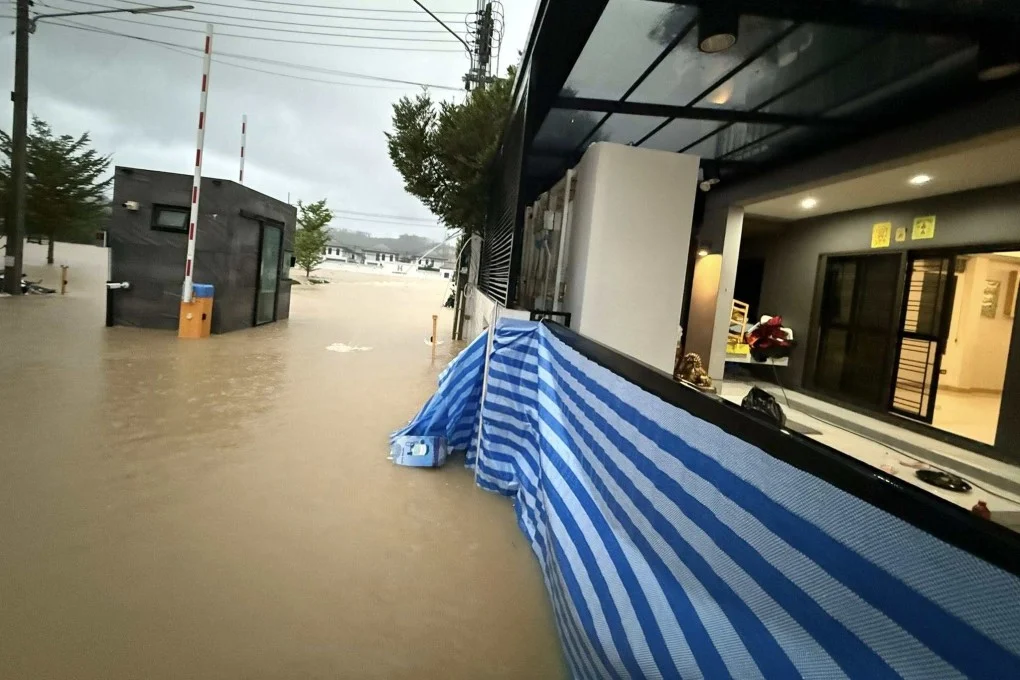
Thailand faces unique property risks: seasonal floods, tropical storms, electrical short-circuits, and theft in urban areas. Many homeowners purchase basic home insurance without considering rising material and labor costs. When a claim occurs, payouts often reflect outdated valuations—leaving owners responsible for the difference.
Underinsurance can affect both your home’s rebuild cost and the value of your belongings. For example, a house insured for three million baht may actually require five million to rebuild. Without proper valuation, you face significant out-of-pocket expenses that insurance won’t cover. The same applies to valuables—standard policies often provide limited coverage for jewelry, art, or luxury electronics unless separately listed.
In short: having a policy is not the same as having adequate coverage.
Understanding What Home & Valuables Insurance Covers
Structure vs. Contents
Most Thai policies divide coverage into two areas:
- Building coverage protects walls, roofing, fixtures, and permanent structures.
- Contents coverage protects movable belongings: appliances, sofas, clothing, gadgets, and personal valuables.
You can choose separate limits for each, but most homeowners undervalue contents—especially high-ticket items bought gradually over years.
Common Perils Covered
Typical policies include protection against:
- Fire and electrical damage
- Storms, lightning, and wind
- Burglary and forced entry
- Water damage and certain natural disasters
However, flood coverage is often optional, and many policies exclude high-risk valuables unless specified. This is where reading the fine print matters.
Common Gaps That Lead to Underinsurance
1. Incorrect Sum Insured for Building Costs
Homeowners frequently use their home’s purchase price as a benchmark. This ignores inflation, finishing materials, and labor costs. Rebuild prices typically increase annually—yet most people never update their coverage.
2. Undervaluing Contents and Personal Items
Many underestimate the replacement cost of furniture, electronics, and collectibles. Worse, valuables like jewelry, artwork, and designer items are usually capped at low amounts unless individually itemized.
3. Sub-Limits and Exclusions
Even with a high contents limit, sub-limits may apply. That means:
- Your laptop may be covered up to a small fixed amount
- Jewelry may have a limit per item, not total value
- Floods, earthquakes, or water damage may require add-on riders
4. Ignoring Geographic Risk
Homes in flood-prone provinces or high-theft neighborhoods may require expanded protection. Standard policies in Thailand rarely account for these risks unless a broker assists in customizing the package.
The Role of Brokers — Why They Matter
A broker does far more than sell insurance. They:
- Evaluate true replacement cost instead of market price
- Create a home inventory that reflects actual belongings
- Ensure valuables are scheduled and not capped by sub-limits
- Recommend riders for floods, theft, liability, or temporary accommodation
- Explain exclusions before they become unpleasant surprises
Brokers align your policy with your lifestyle—not a generic template.
Broker Strategies to Ensure Full Coverage
1. Create a Detailed Home Inventory
List every room and its contents. Note serial numbers, receipts, and photos where possible. This clarity prevents disputes during claims and ensures proper valuation.
2. Calculate Accurate Sum Insured
Use rebuilding costs—not selling price. Include:
- Labor and construction materials
- Fixtures, plumbing, wiring
- Renovations, extensions, upgrades
3. Schedule High-Value Items
Items like gemstone jewelry, luxury watches, limited-edition art pieces, or premium tech must be separately listed to be fully insured.
4. Add Essential Riders
Depending on your location, consider:
- Flood or water-damage rider
- Theft and burglary enhanced cover
- Temporary accommodation while repairs occur
- All-risks coverage for unpredictable events
Tips for Thai Homeowners on a Budget
- Prioritize coverage for risks in your area
- Schedule only high-value items instead of everything
- Review your policy every 12–24 months
- Avoid the cheapest plan—focus on coverage, not price
- Keep documentation for major purchase
Questions to Ask Your Broker
- What is the total sum insured and how was it calculated?
- Are valuables covered separately or subject to sub-limits?
- Which events are excluded—especially floods and electrical damage?
- Does the policy include temporary accommodation?
- What proof is required for claims?
If your broker can’t answer confidently, find one who can.
Conclusion
Your home is likely your most valuable asset, yet many Thai homeowners unknowingly protect it with inadequate insurance. Underinsurance is avoidable with proper valuation, scheduled coverage for valuables, and strategic add-ons tailored to your risk profile. By working with a Thai broker, you gain clarity, customized protection, and peace of mind—ensuring your investment remains secure against Thailand’s unique risks. Don’t wait for a claim to discover the gaps. Review your policy now, ask questions, and make sure your coverage truly reflects the value of your home and everything in it.
FAQs
Does home insurance in Thailand cover jewelry and personal valuables?
Not fully. Most policies impose limits unless the items are individually scheduled.
How often should I update my coverage?
Every 12–24 months, or after renovations or major purchases.
What is the difference between market value and rebuild cost?
Market value reflects selling price; rebuild cost reflects construction expenses—insurance uses rebuild cost.
