




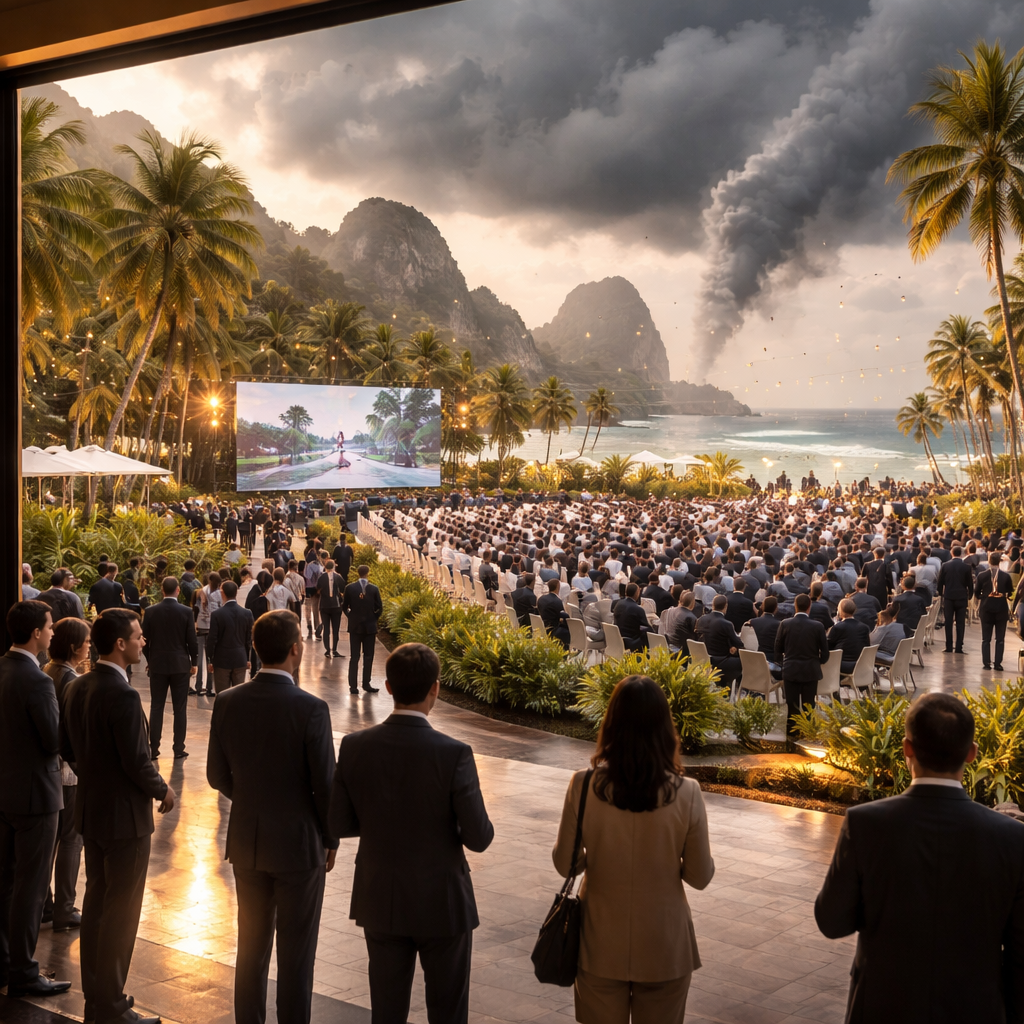
Event Cancellation Insurance: Key Coverage Areas for Thailand in 2026
Thailand Event Cancellation Insurance: Essential Protection for 2026
Thailand event cancellation insurance is becoming a core risk management tool for organisers planning conferences, festivals, exhibitions, and weddings in 2026. From Bangkok convention centres to beach resorts in Phuket and Koh Samui, planners are exposed to natural disasters, political unrest, and sudden health emergencies. Choosing the right protection helps safeguard pre-paid costs, anticipated profit, and critical supplier contracts. In practice, many organisers start by comparing Events Insurance Thailand options to understand how local underwriting responds to regional risks. Careful review of policy wording, sub-limits, and excesses is essential, particularly for high-budget international events. Brokers generally recommend stress-testing budgets against worst-case cancellation or postponement scenarios. This structured approach allows planners to align insurance limits with real financial exposure. As a result, a tailored policy becomes a strategic tool rather than a last-minute purchase.
Core Protections in Thailand Event Cancellation Cover
Modern Thailand event cancellation cover typically responds when an insured event is cancelled, curtailed, or postponed for reasons outside the organiser’s control. Standard triggers can include venue damage, key supplier failure, or unforeseen health and safety issues impacting attendees or staff. In Thailand, specific attention is given to floods and tropical storms that can disrupt transport routes and power supply during monsoon season. Policies may reimburse irrecoverable expenses such as venue hire, staging, marketing, and accommodation deposits. Some insurers also cover loss of anticipated profit, particularly for ticketed events with robust sales data. Organisers planning multi-day conventions or trade fairs should confirm how partial cancellation or reduced attendance is treated. It is equally important to clarify how deductibles apply and whether multiple-day disruptions are treated as a single claim.
Key Local Risks and Evolving Policy Wording
Thai events insurance products continue to evolve in response to recent global and regional disruptions. Underwriters are refining communicable disease clauses, force majeure language, and the treatment of government-imposed restrictions. For large-scale business conferences, organisers may seek tailored conference cancellation insurance Thailand that specifically addresses travel bans or airport closures. Entertainment promoters are also scrutinising terrorism and political violence extensions where crowd safety is a core concern. In parallel, tourism-dependent regions are focusing on more flexible venue cancellation insurance solutions, especially for resort-based functions. Insurers now pay closer attention to contingency plans, including back-up venues and hybrid event capabilities. Organisers who can demonstrate practical risk mitigation often gain access to broader coverage and more competitive premiums. This creates a positive cycle where proactive planning leads to stronger financial resilience.
- Natural catastrophe protection for floods, tropical storms, and related infrastructure failures.
- Coverage for venue damage, power outages, or mandatory closure by local authorities.
- Supplier failure protection for staging, catering, audio-visual, and critical logistics partners.
- Enhanced wording for communicable diseases, government restrictions, and travel disruption.
- Extensions for terrorism, political unrest, and civil commotion affecting crowd safety.
Organisers comparing Thai event insurance policies should also consider how postponement, relocation, and partial curtailment are covered. For instance, event postponement insurance Thailand may allow rescheduling within a defined time frame, with certain reuse of pre-paid costs. Destination weddings and private functions might explore specialist wedding cancellation insurance Thailand to protect deposits for venues, catering, and photography. Promoters of large concerts may require dedicated music festival insurance in Thailand to reflect higher crowd densities and complex staging. Corporate planners should check whether corporate events insurance cover extends to shareholder meetings, incentive trips, and brand activations. When events are split between indoor and outdoor locations, verifying indoor and outdoor event insurance Thailand provisions is critical. Overall, early engagement with a local broker helps align coverage features with realistic operational scenarios.
Practical Steps for Stronger Protection in 2026
To secure robust financial protection in 2026, planners should start with a detailed risk assessment for each event. This includes mapping seasonal weather patterns, political calendars, and public health alerts relevant to the chosen location. International organisers can benefit from benchmarking thailand Event cancellation insurance against policies used in other key markets. Engaging with brokers who routinely place Thai events insurance allows access to underwriting insights and local claims experience. For multi-venue roadshows and regional conferences, consider how policies respond when only part of the programme is affected. Some organisers negotiate bespoke clauses for critical speakers or performers whose absence could trigger severe revenue loss. Others integrate contingency budgets with their insurance strategy to handle smaller, non-insurable disruptions. By combining clear contracts, realistic timelines, and carefully structured insurance, Thai events can proceed with far greater confidence.
If you are planning a conference, festival, or private celebration in 2026, now is the time to review your risk strategy and speak with a qualified broker about tailored Thailand event cancellation insurance. Thoughtful preparation today can protect your budget, reputation, and stakeholders when the unexpected occurs.
