




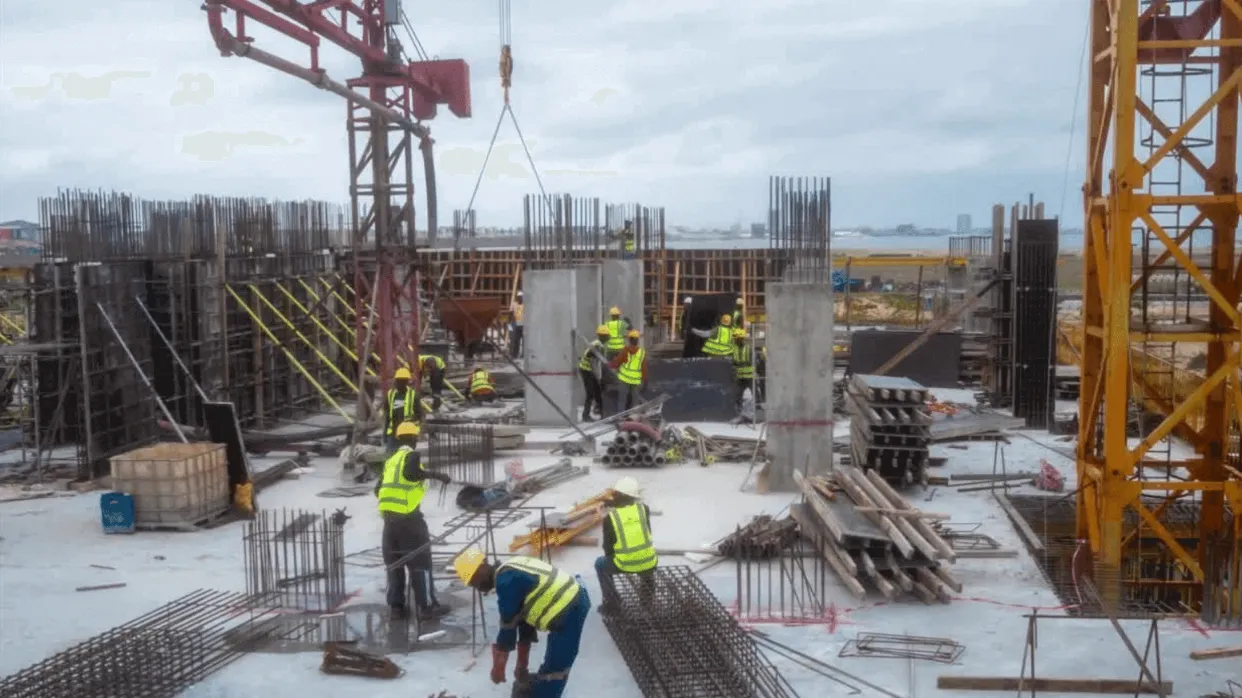
From Site Accidents to Material Loss: How Brokers Strengthen CAR Insurance Coverage
Thailand’s construction sector continues to grow rapidly, from residential high-rise developments to large-scale infrastructure and industrial projects. With this growth comes a wide range of risks, including site accidents, material damage, equipment loss, and third-party claims. These risks can cause serious financial disruption if not properly managed.
This is where Thai Construction Insurance, particularly Contractor All Risks (CAR) insurance, plays a vital role. CAR insurance is designed to protect construction projects from unforeseen physical losses and liabilities during the entire construction period.
However, many engineers and developers underestimate how complex these policies can be. Exclusions, coverage limits, and claims processes are often misunderstood. Insurance brokers strengthen CAR coverage by aligning policies with real project risks, negotiating better terms, and managing claims professionally.
What Is CAR Insurance and Why It Matters
Contractor All Risks insurance is a comprehensive policy designed specifically for construction projects. It protects physical works, construction materials, and machinery from unexpected events such as fire, storms, theft, accidental damage, and natural disasters. It also includes third-party liability, which covers injuries or property damage caused to external parties during construction activities.
For engineers and developers, CAR insurance acts as a financial safety net. A single incident, such as equipment collapse or material theft, can result in millions of baht in losses. Without proper insurance, these costs must be absorbed by the contractor or project owner, potentially halting progress or triggering legal disputes.
CAR policies are flexible and can be customized to include additional protections such as coverage for materials in transit, off-site storage, and testing periods after installation. In Thailand, many lenders and government projects require CAR insurance as part of tender documentation, making it not just a risk management tool but also a commercial necessity.
Common Risks in Thai Construction Projects
Construction sites in Thailand face a unique combination of operational, environmental, and legal risks. Site accidents remain one of the most serious concerns, especially in projects involving heavy machinery, scaffolding, or high-rise structures. Accidents can result in worker injuries, equipment damage, and legal claims.
Material and equipment loss is another major issue. Theft of copper wiring, steel, or imported machinery is common, particularly in remote or poorly secured sites. Weather-related risks such as flooding and storms also cause frequent damage to materials and unfinished structures.
Third-party liability risks are especially high in urban areas like Bangkok, Chiang Mai, and Phuket, where construction takes place near residential buildings, roads, and businesses. Falling debris, dust, noise, or accidental structural damage can lead to compensation claims from neighbors or pedestrians. These risks make comprehensive and well-structured insurance coverage essential for long-term project stability.
Challenges of Managing CAR Policies Without Expert Support
Many project owners purchase CAR insurance directly from insurers without fully understanding the policy structure. This often leads to gaps in coverage. One of the most common issues is misunderstanding exclusions. Most standard policies exclude design defects, wear and tear, poor workmanship, and certain types of delays.
Another major problem is underinsurance. As project costs increase due to inflation, scope changes, or timeline extensions, the original insurance values may no longer reflect the real exposure. When claims occur, insurers may only pay a portion of the actual loss.
Claims management is also complex. Insurers require detailed documentation, loss reports, and technical assessments. Without professional support, claims may be delayed, partially rejected, or disputed. This creates cash flow problems and operational stress during critical phases of construction.
Role of Brokers in Risk Assessment
Brokers begin by analyzing the entire project environment. They assess site location, construction method, material types, subcontractor structure, and exposure to environmental risks such as flooding or soil instability.
For example, coastal developments may face storm surge and salt corrosion risks, while industrial projects face higher fire and explosion risks. Brokers identify these exposures and recommend appropriate coverage limits and extensions.
They also evaluate supply chain risks, including overseas material deliveries and off-site storage. This ensures that insurance protection extends beyond the physical site and covers the full project ecosystem. This risk-based approach transforms insurance from a generic product into a tailored financial protection system.
How Brokers Customize CAR Insurance Coverage
Brokers customize CAR policies by aligning coverage with real project value. This includes adjusting sums insured to match updated budgets, adding transit and storage protection, and extending liability limits based on third-party exposure.
They also recommend specialized extensions such as Delay in Completion insurance, which protects developers against revenue loss caused by insured project delays. This is particularly valuable for commercial properties like hotels, shopping centers, and industrial facilities.
Another key customization area is subcontractor coverage. Brokers ensure that all contractors are included under the same policy to prevent liability disputes between parties. This integrated approach reduces legal conflicts and ensures smooth claims settlement.
Negotiating Better Terms and Premiums
One of the strongest advantages of working with brokers is their access to multiple insurance providers. Instead of relying on a single insurer, brokers compare several offers and negotiate pricing and terms.
They benchmark premiums against similar projects and use their market relationships to secure broader coverage at competitive costs. Brokers also negotiate deductibles, liability limits, and policy wording to reduce future disputes.
This competitive negotiation often results in better value, stronger protection, and lower long-term risk exposure for project owners.
Claims Support: Brokers vs Insurers
When a loss occurs, brokers become claim advocates. They assist with documentation, arrange technical inspections, and ensure that claims submissions meet insurer requirements.
Brokers also challenge unfair claim rejections and negotiate settlement values. This reduces delays and increases the likelihood of full compensation. Without brokers, project teams often face administrative complexity and legal uncertainty during already stressful periods.
Efficient claims handling protects project cash flow and allows construction to resume quickly after incidents.
Conclusion
In Thailand’s high-risk construction environment, CAR insurance is a fundamental layer of protection, but its effectiveness depends on how well it is structured and managed. Standard policies often fail to reflect real project exposures, leaving engineers and developers vulnerable to financial shocks.
Brokers bridge the gap between technical construction realities and complex insurance frameworks. Through risk assessment, policy customization, negotiation, and claims advocacy, brokers strengthen Thai Construction Insurance into a strategic risk management tool.
FAQs
Is CAR insurance mandatory in Thailand?
It is not legally mandatory for all projects, but it is often required by banks, investors, and government contracts.
Can CAR insurance cover project delays?
Yes, through optional Delay in Completion or Advance Loss of Profit extensions.
Does CAR insurance cover subcontractors?
Yes, if structured correctly. Brokers ensure all parties are included under a single policy.
