




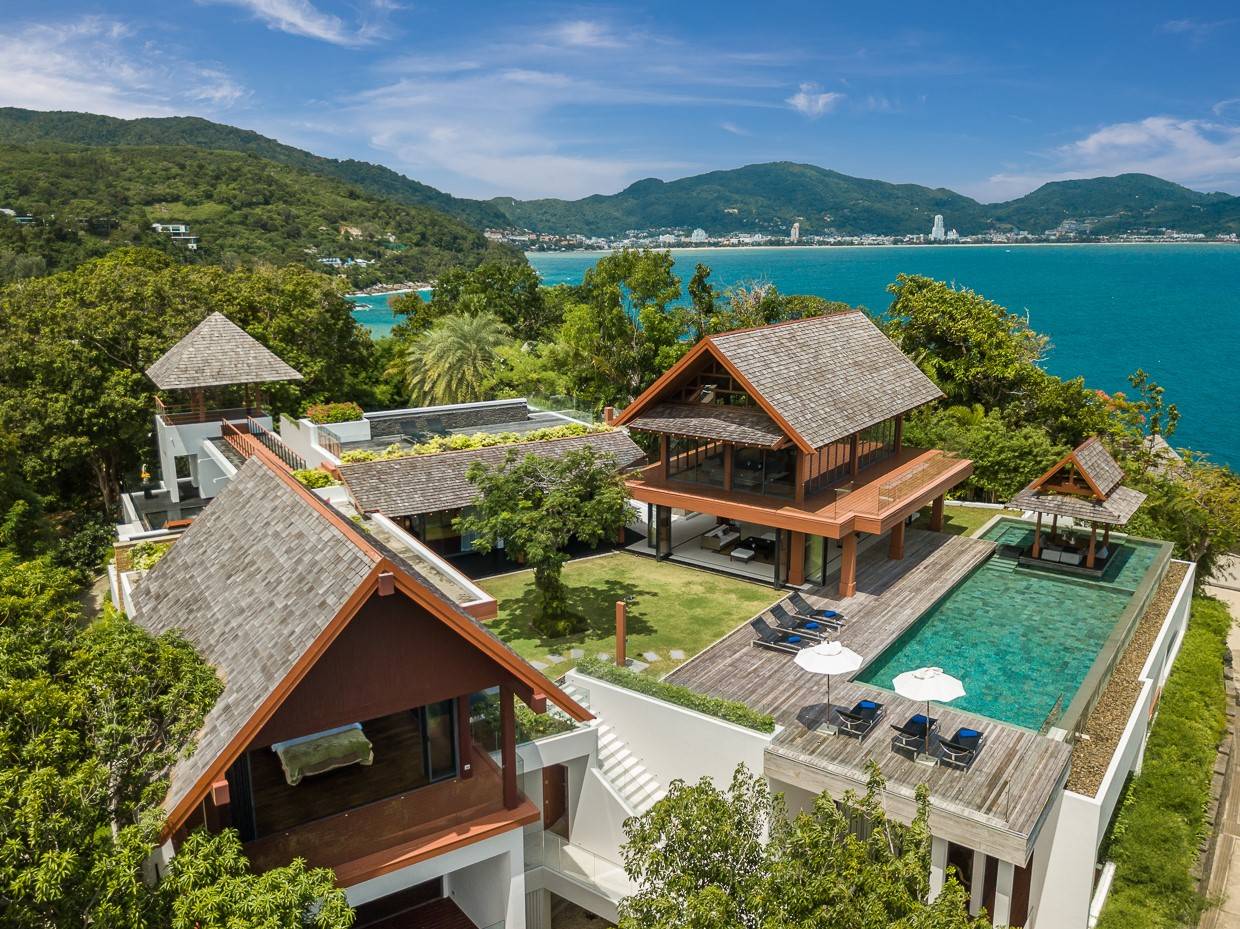
Home Insurance in Thailand: Why Brokers Offer Smarter Protection for Your Property
Owning a home in Thailand is more than just having a roof over your head — it’s an investment filled with financial value and emotional significance. Yet, many homeowners overlook one essential safeguard: proper home insurance. From sudden floods and electrical fires to unexpected break-ins, the risks faced by Thai homes are real and rising. While home insurance isn’t legally required in most cases, choosing the right coverage can protect your property, belongings, and peace of mind.
Understanding Home Insurance in Thailand: Basic vs All-Risk Policies
When exploring home insurance options, you’ll typically encounter two main types:
Standard (Named-Perils) Policies
These cover specific dangers listed in the policy, such as fire, lightning, explosions, vehicle impact, and certain forms of water damage. They are more affordable, but coverage can be limited, especially for unpredictable events like flooding or accidental damage.
All-Risk Policies
An all-risk plan offers broader protection. Instead of only covering specific events, it protects against most forms of accidental or sudden damage unless expressly excluded. This type of policy is especially valuable for homeowners with high-end appliances, electronics, artwork, or jewelry — items that may not be fully protected under basic plans.
Many Thai homeowners also overlook the importance of add-ons such as flood riders, valuables coverage, or electrical damage protection. These optional benefits can significantly enhance an insurance plan, especially in flood-prone zones or homes with expensive contents.
Is Home Insurance Mandatory in Thailand?
Home insurance is generally not required by law. However:
- Banks may require insurance if your home is under mortgage.
- Some condominium developments include insurance obligations in their regulations.
- Rental agreements occasionally require tenants to maintain basic coverage.
Because there is no universal legal requirement, many homeowners skip insurance — often realizing the consequences only after fires, floods, or break-ins occur. Taking proactive steps now prevents financial strain later.
Common Risks for Thai Homes: Why Insurance Makes Sense
Thailand’s tropical climate, urban density, and varied geographic conditions expose homeowners to multiple threats:
- Natural Disasters: Seasonal storms, flash floods, landslides, and earthquakes can devastate both structure and contents.
- Electrical and Fire Hazards: Power surges, faulty wiring, and kitchen fires are among the leading causes of property damage.
- Burglary and Vandalism: Homes left empty for holidays or work travel face theft risks, especially if valuable electronics and appliances are unprotected.
- Personal Liability: If someone gets injured while visiting your home, liability coverage protects you from potential legal or medical expenses.
These risks make home insurance less of an option and more of a shield against financial loss.
What Home Insurance Typically Covers (and What It Doesn’t)
What’s Usually Covered
- Structural damage to the building
- Furniture, appliances, and personal belongings
- Fire, explosion, storm, and certain water damages
- Theft and break-ins (often requiring evidence of forced entry)
- Temporary housing if the insured home becomes uninhabitable
- Third-party liability for accidental injury or property damage
What May Be Excluded
- High-value items like jewelry or collectibles unless declared separately
- Flood damage, unless added as a rider
- Items stored outside the home
- Wear-and-tear, neglect, or intentional damage
- Losses exceeding outdated or underreported property values
Understanding these details is essential. Many homeowners mistakenly assume everything is covered, only to discover painful gaps during claims.
Why Using a Broker Is Smarter for Thai Homeowners
Buying insurance directly can seem straightforward — until you read the fine print. Here’s why brokers deliver better results:
Brokers Offer Tailored Advice
They identify risks based on location, home type, lifestyle, and contents. This ensures your coverage actually matches your needs.
Brokers Compare Multiple Providers
Instead of relying on a single insurer, brokers source options and recommend the best value — not the cheapest, but the most protective.
Brokers Spot Hidden Gaps
Whether it’s an excluded peril, undervalued property limits, or missing flood protection, brokers help you avoid costly surprises.
Brokers Assist During Claims
When something goes wrong, having a professional help interpret documentation, negotiate terms, and submit claims can speed up reimbursements and reduce stress.
In essence, a broker transforms insurance from a guess into a strategy.
How to Choose the Right Home Insurance Plan in Thailand
When evaluating a plan:
- Assess the true value of your home and belongings. Many homeowners underestimate contents like furniture and electronics.
- Check deductibles, limits, and updated replacement values. Don’t rely on outdated costs.
- Confirm flood or disaster coverage if you live in high-risk areas.
- Consider add-ons for valuables, electronics, renovations, or temporary accommodation.
- Review exclusions carefully.
- Update your policy whenever you renovate or acquire expensive items.
A good broker will walk you through these steps, ensuring no detail is overlooked.
Common Mistakes Thai Homeowners Make
- Assuming flood protection is standard
- Underinsuring high-value items
- Choosing the cheapest plan without comparing value
- Ignoring policy updates after renovation or purchase of expensive goods
- Overlooking temporary accommodation coverage
These issues are preventable — especially with broker guidance.
Conclusion
Home insurance isn’t just about protecting walls and furniture — it’s about securing your future, your comfort, and your investment. With rising climate threats, valuable home electronics, and increasing urban density, risks are no longer hypothetical. Home insurance in Thailand, especially when managed with a broker’s expertise, ensures your property is genuinely protected, not just partially covered.
Don’t wait for disaster to teach a costly lesson. Speak to a trusted broker, evaluate your home’s real worth, and choose a policy that fits your life. Smart protection begins with smart planning — and your home deserves nothing less.
FAQs
Is home insurance required in Thailand?
No, unless your lender or condo rules require it.
Does standard home insurance cover floods?
Not always — flood protection is often an add-on.
Do I need separate coverage for jewelry or artwork?
Yes. High-value items usually require a separate declaration
