




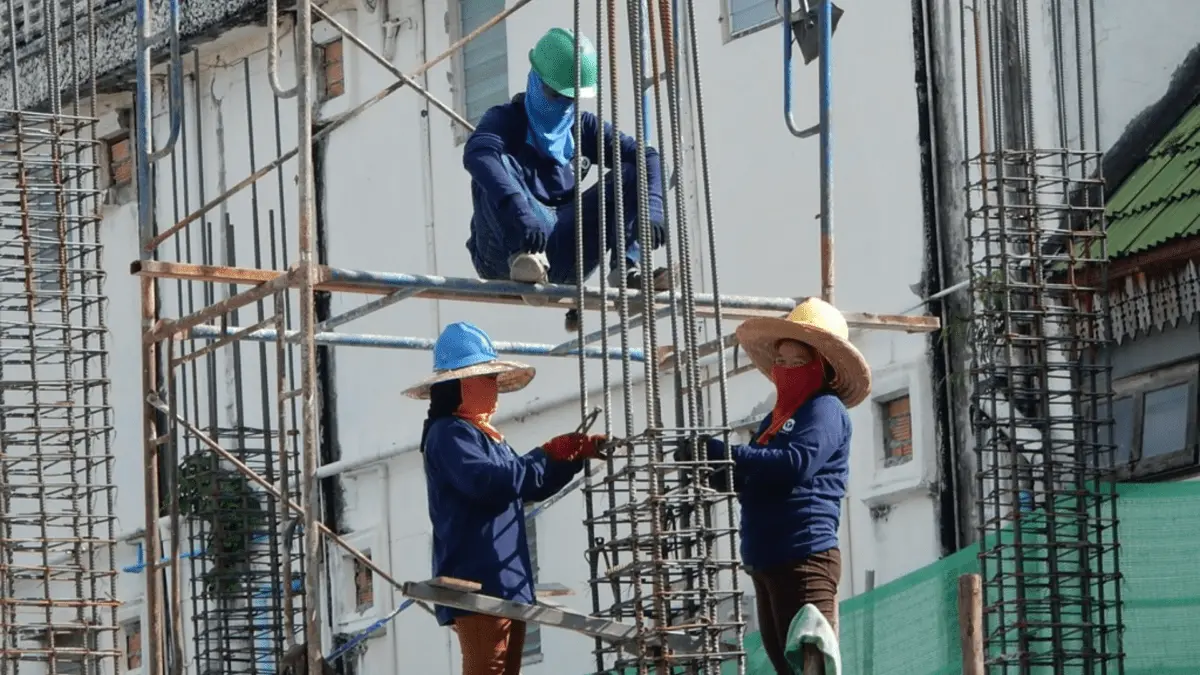
How Thai Brokers Customize CAR Insurance for Contractors and Developers
Thailand’s construction sector continues to expand rapidly—from infrastructure upgrades to condominium developments and industrial facilities. But with opportunity comes risk. Unpredictable weather, theft of materials, site accidents, and legal liabilities can derail a project and drain capital. That’s why Construction Insurance in Thailand, specifically Contractor All Risks (CAR) insurance, is essential for contractors and developers.
Why Contractors and Developers Need CAR Insurance
Construction work in Thailand operates in a climate where monsoon rains, flooding, soil instability, and congested urban environments create layers of risk. A minor mishap—such as structural damage, stolen machinery, or debris injuring a pedestrian—can trigger costly delays, lawsuits, and out-of-pocket expenses.
CAR insurance shields your ongoing works, machinery, materials, and liability exposures during the entire construction period. For many major developments, proof of CAR coverage is required before financing is approved or contracts are awarded. More importantly, it offers peace of mind that unexpected setbacks won’t derail your project or reputation.
Core Coverages Under CAR Insurance
Material Damage to Works, Equipment & Materials
This covers the heart of your project—structures under construction, foundation work, temporary works, and materials on-site. It ensures damages from events like fire, storm, theft, or accidental impact are repairable without crippling your budget.
Third-Party Liability & On-site Accidents
If construction activities injure a passerby or damage nearby property, you could face legal claims. CAR insurance includes liability protection that covers legal and compensation costs, crucial for urban builds where risks expand beyond the site boundary.
Optional Extensions for Comprehensive Protection
Brokers often recommend valuable add-ons such as:
- Delay in Completion / Advance Loss of Profit
- Materials in Transit
- Debris Removal
- Professional Fees for architects or engineers
These extensions address financial risks that standard policies don’t cover.
Common Exclusions & Limitations to Watch Out For
CAR insurance is broad, but it’s not limitless. Common exclusions include:
- Normal wear and tear or equipment depreciation
- Design errors and faulty workmanship
- Consequential or financial losses not linked to physical damage
- War, nuclear events, and certain catastrophic scenarios
Many claims are rejected because contractors assumed coverage that wasn’t included. Understanding these exclusions—and having a broker review policy wording—prevents expensive surprises.
The Role of Brokers in Thailand: Why They Matter
Insurance agents represent insurers. Brokers represent you.
Their value lies in:
- Risk Assessment – analysing project locations, soil conditions, subcontractor profiles and weather exposure
- Policy Comparison – accessing multiple insurers and finding the best fit
- Negotiation – securing better premiums and broader coverage
- Claims Support – guiding documentation to avoid delays or rejection
- Regulatory Alignment – ensuring compliance with local requirements and tender conditions
For Thai contractors and developers, brokers aren’t intermediaries—they’re strategic risk advisors.
How Thai Brokers Customize CAR Insurance
No two projects are alike. Brokers tailor policies according to:
- Project Value – matching insured sum to total constructed value, materials, and labor
- Timeline & Phases – customizing coverage periods including maintenance handover
- Scope Adjustments – updating coverage when project changes occur
- Risk Extensions – adding transit, design review, flood risk, and joint venture clauses
This flexibility is where brokers outshine standard off-the-shelf insurance products.
Benefits of Using a Broker for CAR Insurance
Working with a broker delivers advantages that contractors often overlook:
- Avoiding over-insurance and unnecessary premium costs
- Ensuring site risks are truly covered
- Faster claim resolution and less administrative stress
- Better policy wording aligned with actual project objectives
- Confidence that financial risks are properly transferred—not assumed
What to Check Before Buying CAR Insurance
Contractors and developers should always review:
- Exclusions and maintenance clause details
- Whether the insured sum matches real project value
- Coverage for valuable machinery, transit, and temporary structures
- Deductibles and claims handling processes
- Whether policy terms can adapt to project changes
How to Work With Brokers Effectively
Prepare the following:
- Site plans and engineering drawings
- Project timeline
- Machinery details and subcontractor list
- Known environmental or logistics risks
The more accurate your information, the more accurate—and affordable—your coverage.
Conclusion
Construction projects rarely go exactly as planned. Weather shifts, design revisions, supply delays, and unforeseen accidents are part of the landscape. Construction Insurance in Thailand, particularly CAR insurance, transforms uncertainty into controllable risk. Partnering with a qualified Thai broker ensures your policy isn’t just purchased—it’s engineered around your project’s vulnerabilities and scope.
For contractors and developers who want to safeguard profits, strengthen bids, and maintain momentum, CAR insurance is not a luxury—it is a strategic necessity.
FAQs
Is CAR insurance required for every construction project?
Not always by law, but most lenders, investors, and tenders require it.
Does CAR insurance protect against delays?
Only if optional extensions like Delay in Completion are included.
Can plant and equipment be covered?
Yes, but coverage must be specified. Standard policies exclude depreciation.
