


Securing Government and Private Projects with Broker-Arranged CAR Construction Insurance
Winning construction contracts in Thailand is no longer just about price and technical capability. Whether you are bidding on a government infrastructure project or a large private development, risk transfer plays a decisive role. Contractors all risk insurance is now a core requirement in many tenders.
Government Construction Projects: Insurance as a Tender Requirement
Government construction projects in Thailand, especially infrastructure works, typically require contractors all risk insurance as a precondition for contract award. This is not optional protection. It is often written directly into the tender documentation.
Mandatory Proof Before Mobilization
Most government contracts require:
- Certificate of insurance submission before site handover
- Minimum third-party liability limits
- Joint insured clauses including the government agency
- Coverage valid for the entire construction period
Failure to meet these technical requirements can delay project commencement. A broker ensures policy wording complies exactly with tender specifications, including endorsement formatting and liability thresholds.
Public Funds and Accountability
Government entities are accountable for public budgets. As a contractor, you are expected to demonstrate financial resilience. Contractors all risk insurance reassures the awarding authority that unforeseen events such as flood damage, fire, or structural collapse will not result in project abandonment due to funding gaps.
A strong broker-arranged policy signals professionalism during bid evaluation. This is often an overlooked competitive advantage.
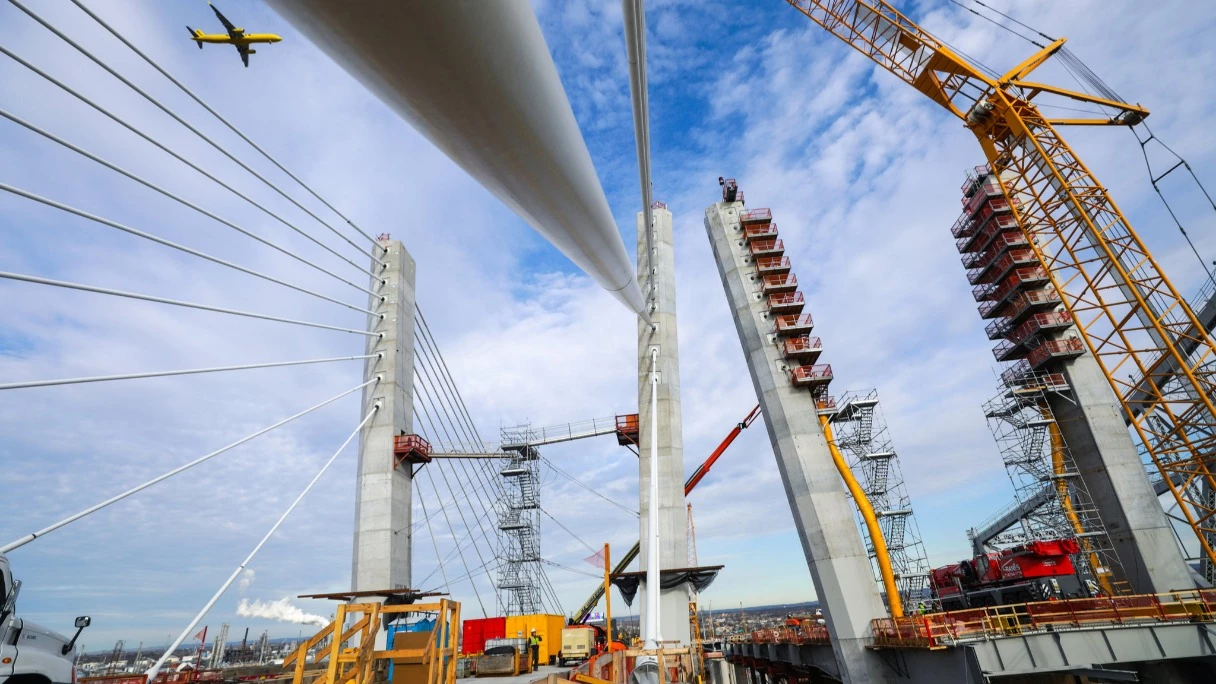
Infrastructure and High-Exposure Public Works
Government projects frequently involve higher exposure than standard private builds.
Examples include:
- Road expansion and transport infrastructure
- Utility upgrades and drainage systems
- Public hospitals and government offices
- Flood control and coastal works
These projects face complex risks such as:
- Work near public traffic
- High third-party injury exposure
- Environmental disruption
- Heavy equipment operation in populated areas
In these cases, contractors all risk insurance must include substantial third-party liability coverage. Brokers help contractors assess realistic exposure limits instead of simply selecting the minimum requirement.
Private Construction Projects: Investor and Lender Expectations
Private construction projects operate differently but often impose equally strict insurance requirements.
Developers, real estate investors, and financial institutions typically demand:
- Comprehensive construction risk insurance
- Protection of materials stored offsite
- Delay in completion extensions
- Named insured clauses for project owners
Unlike government contracts, private project insurance requirements are often driven by lenders. If financing is involved, banks require risk mitigation to protect capital.
A broker becomes critical here. They coordinate insurance terms that satisfy:
- The developer
- The project owner
- The main contractor
- The financing institution
Without careful structuring, contractors may face coverage gaps that affect project approval timelines.
Differences Between Government and Private Project Insurance Needs
Understanding the structural differences between public and private projects allows contractors to negotiate better protection.
Government Projects
- Heavier focus on third-party liability
- Strict compliance with tender wording
- Fixed coverage limits
- High public scrutiny
- Mandatory documentation before site access
Private Projects
- Flexibility in policy structure
- Emphasis on asset value protection
- Strong lender involvement
- Possible requirement for delay in start-up coverage
- Negotiable liability limits based on risk appetite
A broker analyzes which type of project you are handling and adjusts contractors all risk insurance accordingly instead of using a standardized template.
Joint Insured and Contractual Risk Transfer
Both government and private construction projects increasingly require joint insured clauses.
This means the project owner must be listed on the policy. Without correct wording, disputes can arise during claims.
For example:
If a structural defect causes damage during construction and both contractor and owner are named, the claim handling becomes smoother. If incorrectly structured, insurers may delay payment due to ambiguity in insured interest.
Broker-arranged CAR insurance ensures policy wording aligns with construction contracts and indemnity clauses. This alignment protects your relationship with project stakeholders.
Performance Bonds vs CAR Insurance
Many contractors confuse performance bonds with contractors all risk insurance.
They serve different purposes.
- A performance bond guarantees completion of work
- CAR insurance protects against accidental damage and liability
Government and private construction projects often require both.
A broker helps you coordinate insurance with bond obligations to avoid duplicated financial exposure. This strategic coordination is rarely discussed but significantly reduces unnecessary cost burden.
High-Value Equipment and Site Security in Large Projects
Government infrastructure and large private construction projects typically involve heavy machinery and imported equipment.
Examples include:
- Tower cranes
- Concrete batching plants
- Specialized piling equipment
The financial exposure is significant. CAR insurance can extend to cover plant and machinery damage due to accident, fire, or natural events.
For projects in flood-prone areas of Thailand, this extension is especially important. Brokers assess site-specific risks such as soil stability and environmental exposure before finalizing policy terms.
This project-specific customization is critical for high-value works.
Delay Risks in Private Developments
Private construction projects, especially condominium and commercial builds, are sensitive to delay.
If insured damage causes project interruption, developers may face:
- Loss of presales revenue
- Tenant delay penalties
- Financing cost increases
Advanced CAR policies can include delay in completion coverage. Brokers determine whether such extensions are commercially justified based on project timeline and financial structure.
This level of strategic planning is rarely provided through direct purchase channels.
Claims Handling in Public vs Private Projects
Claims handling differs significantly between government and private construction projects.
Government Project Claims
- Subject to audit and documentation review
- Require transparent reporting
- May involve public accountability procedures
Private Project Claims
- Faster resolution expectation
- High pressure from investors
- Possible lender oversight
An experienced broker supports:
- Evidence gathering
- Loss documentation
- Negotiation with insurers
- Timeline management
Without professional claim advocacy, contractors risk delayed settlements and cash flow strain.
Conclusion
For Thai contractors working on government and private construction projects, contractors all risk insurance is no longer optional protection. It is a strategic requirement that influences tender eligibility, lender approval, and long-term financial stability. Broker-arranged CAR insurance ensures compliance, tailored protection, and strong claims support. By aligning insurance with contract terms and project risk realities, contractors protect not only their works but also their reputation and future bidding power.
FAQs
Is contractors all risk insurance mandatory for government projects in Thailand?
In most public infrastructure tenders, proof of CAR insurance is required before project commencement. Coverage limits are typically specified in the contract.
Do private construction projects require CAR insurance?
Depends. Many developers and banks require comprehensive construction risk insurance to protect their investment and financing arrangements.
What is the difference between CAR insurance and a performance bond?
A performance bond guarantees completion of work. Contractors all risk insurance covers accidental damage and third-party liability during construction.
