




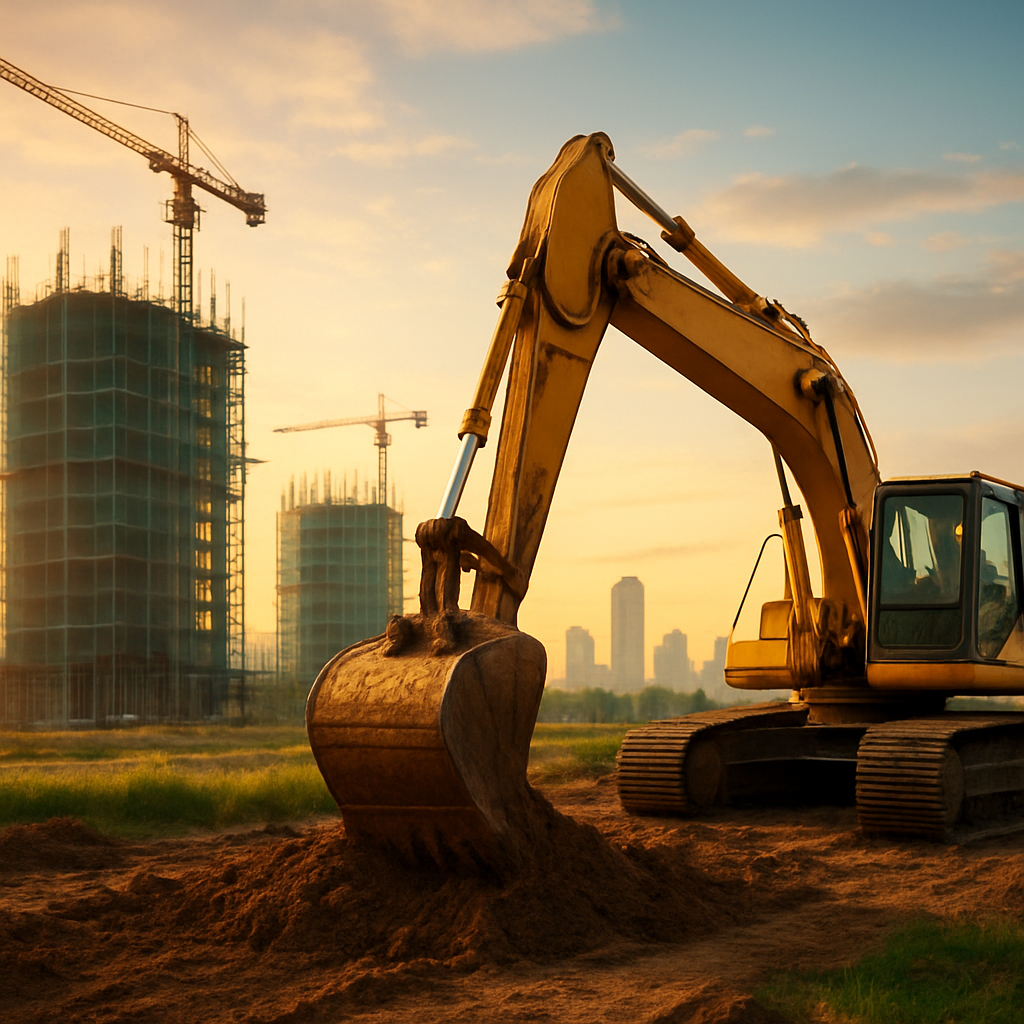
The Growing Need for CAR Insurance in Thailand’s Construction Sector
The rapid expansion of Thailand’s construction sector is exposing a critical protection gap that many firms still underestimate: adequate Construction All Risk (CAR) insurance. As public infrastructure, residential towers, and industrial facilities multiply, the financial stakes behind every build grow higher. Yet many contractors, developers, and investors continue to treat construction project insurance as a box-ticking exercise, rather than a core risk-control tool. That mindset can leave even experienced players dangerously exposed when a single incident derails months of work and tight project margins.
The hidden vulnerabilities on modern Thai construction sites
Thailand’s construction boom has brought larger, more complex projects that carry layered technical, financial, and operational risks. Sites are increasingly dense, involving multiple subcontractors, imported materials, and advanced engineering methods. This environment amplifies exposures that standard liability coverage for contractors or basic property policies simply do not address. Without a project-wide risk management approach, one crane collapse, flash flood, or on-site fire can trigger cascading costs: structural damage, rework, delays, penalties, and disputes over who pays.
Why Construction All Risk (CAR) insurance is becoming essential
Construction All Risk (CAR) insurance is designed to respond to precisely these intertwined threats, yet many Thai firms still rely on fragmented policies or outdated assumptions. Some believe a main contractor’s policy automatically protects every stakeholder, or that a focus on safety alone will prevent significant losses. In reality, even well-run sites face uncontrollable factors such as extreme weather, theft, and accidental damage to neighboring properties that may require third-party liability cover for projects. When cover is missing or insufficient, the resulting financial shock can cripple cash flow.
Common warning signs your project cover may be inadequate
Several patterns suggest a construction business may be underinsured or protected by the wrong type of policy. Reliance on generic commercial insurance rather than comprehensive insurance for construction sites is one red flag, especially on high-value or multi-phase developments. Another is the lack of site-specific construction insurance plans that account for location risks like flooding, dense urban settings, or complex ground conditions. If insurance discussions happen only at contract signing, without revisiting scope changes, you may be overlooking builder-focused risk management strategies that adapt as the project evolves.
- You assume subcontractors’ policies fully protect your balance sheet.
- Your broker has not reviewed contractor liability protection in Thailand regulations recently.
- Policy wording does not address delay-related costs or partial project handovers.
- You have never stress-tested your cover against a worst-case site accident.
- Insurance solutions for Thai builders were selected mainly on lowest premium, not real risk exposure.
Ignoring these signals can turn routine incidents into existential threats for construction firms. Robust risk management for builders requires aligning cover with contract terms, lender expectations, and real on-the-ground hazards. That often means seeking tailored coverage for construction firms rather than copying a competitor’s policy or recycling last year’s package. For many operators, the next logical step is to engage experts who understand local regulations and can structure construction project insurance that supports long-term stability. Assess your current policies now, ask hard questions about gaps, and consider booking a consultation to explore whether more resilient insurance solutions for Thai builders could safeguard your next project before problems escalate.
