




Top Risks Covered by CAR Construction Insurance—and Why Brokers Recommend It
In Thailand’s fast-growing construction sector, even well-managed projects can be derailed by events like storms, fire, theft, or on-site accidents. One serious incident can wipe out months of work and profit. That’s why Contractor All Risk Insurance in Thailand has become a core part of risk planning for contractors and developers.
What Is Contractor All Risk (CAR) Insurance?
Contractor All Risk (CAR) Insurance is a specialised policy designed to protect construction projects during the entire build phase, from site preparation to handover.
It generally combines two major protections in one policy:
- Material damage to the works – for physical loss or damage to the construction itself and often to materials and temporary works.
- Third-party liability – for bodily injury or property damage caused to other people because of construction activities.
CAR insurance is often compared with “builders’ risk” or “construction all risks” policies. While terms differ by insurer, the idea is similar: to protect works in progress and the parties involved.
It’s also distinct from Erection All Risk (EAR) Insurance, which focuses more on installation and mechanical erection of machinery or plants. Many Thai projects will need either CAR, or CAR plus EAR, depending on scope.
Why CAR Insurance Matters in Thailand’s Construction Industry
Thailand’s construction environment brings a mix of opportunities and risks:
- Monsoon seasons and sudden storms can cause severe water damage or collapse.
- Urban density means a high chance of affecting nearby buildings, vehicles, or pedestrians.
- Remote sites can face theft, vandalism, or limited security.
For Thai contractors and developers, CAR insurance is important for three main reasons:
- Financial protection
A single fire, flood, or landslide can lead to structural failure, rework, and material loss. Without CAR, those costs come straight out of your pocket.
- Contract requirements and investor confidence
Many project owners, lenders, or government tenders require Contractor All Risk Insurance in Thailand as a condition of award. Having it in place shows you take risk management seriously.
- Peace of mind for project execution
With a solid CAR policy, you can focus more on scheduling, quality, and coordination, and less on “what if everything goes wrong”.
Top Risks Covered by CAR Insurance
1. Physical Damage to Works in Progress
The core of CAR is coverage for damage to the project under construction. Common insured events include:
- Flood and water damage
- Storms and strong winds
- Accidental damage during construction
2. Theft or Malicious Damage of Materials and Equipment
Construction materials and tools stored on site are attractive targets. CAR policies in Thailand often include cover for:
- Theft of stored materials and finished parts
- Vandalism or malicious damage at the site
3. Damage to Construction Machinery, Tools, Plant, and Equipment
Many policies can be extended to cover contractor’s plant and equipment, such as:
- Cranes and excavators
- Concrete pumps and mixers
- Other heavy machinery used on site
4. Third-Party Liability for Injury or Property Damage
Construction sites can easily affect people and property beyond the fence line. CAR policies usually include third-party liability, covering:
- Bodily injury to third parties (e.g. passersby, neighbours)
- Damage to third-party property (e.g. vehicles, nearby buildings)
5. Damage to Existing Structures or Adjacent Properties
When you are renovating or extending existing premises, damage is not limited to new works. Many CAR policies can cover:
- Existing structures being worked on
- Adjacent properties unintentionally affected by your operations
This is especially important in dense urban locations where projects border other buildings or public infrastructure.
6. Natural Disaster Risks: Flood, Storm, Earthquake
Thailand is exposed to natural phenomena such as:
- Flooding and water intrusion
- Tropical storms and strong winds
- Occasional tremors or ground movement
A well-structured CAR policy often includes these natural catastrophe perils, unless specifically excluded. This ensures that Thailand CAR policy natural disaster coverage supports large and small projects alike.
7. Damage During Installation, Transit, or Commissioning
For more complex projects that involve heavy machinery or specialised systems, CAR can be combined with EAR to cover:
- Damage while transporting equipment to site
- Damage during installation, testing, or commissioning
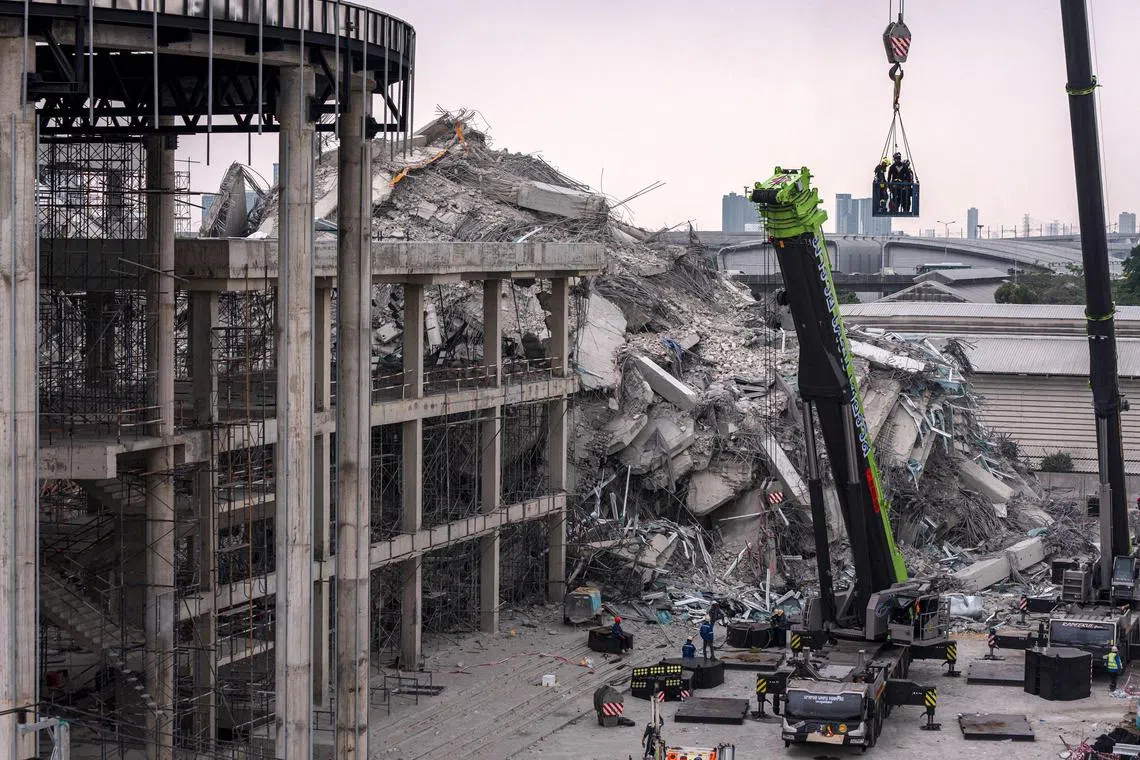
8. Debris Removal, Cleanup, and Temporary Works
Beyond major structural damage, a serious incident often leaves behind:
- Rubble and debris that must be cleared
- Damaged temporary works such as formwork, scaffolding, or site offices
CAR frequently includes or can add coverage for:
- Debris removal and cleanup
- Damage to temporary structures and site facilities
These seemingly secondary costs can quickly mount after an accident.
9. Delay-Related Costs (When Extensions Are Included)
Some CAR programmes offer optional extensions for:
- Delay in start-up
- Advance loss of profits
- Additional expenses due to insured events
If a covered event significantly delays completion, this extension can compensate for lost revenue or additional financing costs. It’s especially useful for revenue-generating projects like hotels, malls, or rental properties.
10. Vibration, Weakening of Support, and Accidental Impact
CAR policies often address specialised construction risks such as:
- Damage caused by vibration from piling or excavation
- Weakening or removal of support affecting adjacent structures
- Impact from vehicles or machinery striking buildings or site installations
For urban Thai projects built right next to other properties, this is crucial to prevent large liability claims.
What CAR Insurance Typically Does Not Cover
Despite the “all risk” label, CAR does not cover everything. Common exclusions include:
1. Wear and Tear, Inherent Defects, or Gradual Deterioration
CAR is designed for sudden and accidental events, not slow damage over time. Routine deterioration or inherent defects in materials are usually excluded.
2. Poor Workmanship, Design Faults, and Defective Materials
Most policies exclude losses caused by:
- Faulty design or engineering
- Substandard workmanship
- Use of defective materials
These risks are better handled through professional indemnity insurance, quality control, and proper supplier management.
3. Intentional Acts, Illegal Activities, and Gross Negligence
Deliberate damage, fraud, or work outside legal requirements is not covered. Policies are there for genuine accidents and unforeseen perils, not misconduct.
4. Consequential Losses Not Linked to Covered Events
Business interruption or financial losses unrelated to an insured event are excluded. To cover such exposures, you typically need specific delay in completion or business interruption coverage.
5. Latent Defects and Long-Term Structural Problems
CAR mainly protects the project during construction and sometimes a defined maintenance period. Defects discovered years after completion usually require other forms of insurance or contractual guarantees.
Conclusion
In Thailand’s busy construction landscape, risks are everywhere: storms, flooding, theft, accidents, and disputes with neighbours or third parties. Contractor All Risk Insurance in Thailand exists to ensure that these events do not destroy your cash flow, your project schedule, or your business.
By understanding what CAR covers, where its limits are, and how a broker can tailor it to your specific project, you can transform insurance from a box-ticking exercise into a real competitive advantage. The right CAR policy supports confident bidding, smoother financing, and safer site operations.
Before you break ground on your next project, sit down with a trusted broker, map your risks, and build a CAR programme that genuinely fits your needs. Protect the work you do today so you can keep winning projects tomorrow.
FAQs
Is Contractor All Risk Insurance required for every construction project in Thailand?
Not legally for all projects, but many owners, banks, and government contracts require CAR as a condition. Even when it’s not mandatory, it is strongly recommended for any project where a single event could cause major loss.
Does CAR insurance cover flood and storm damage?
Most CAR policies in Thailand include natural perils such as flood and storms, but you should always confirm this in the policy schedule and wording.
Will CAR insurance cover delays caused by insured damage?
Not automatically. You generally need an extension such as “delay in completion” or “advance loss of profits” to cover financial losses from delay.
