




Which Hospitals Accept International Insurance in Thailand?
If you are moving to Thailand or already living here, one of the most practical questions you can ask is whether your preferred hospital will actually work with your insurance. The good news is that many of Thailand’s leading private hospitals do handle international plans, especially in Bangkok and other expat-heavy cities. The less obvious part is that hospital acceptance does not always mean guaranteed cashless treatment. In many cases, direct billing depends on your insurer, your exact policy, and whether your treatment is inpatient, outpatient, emergency, or elective.
From a brokerage perspective, this is where expats usually make the wrong assumption. They see an insurer logo on a hospital page and assume everything will be handled smoothly. In reality, the more useful question is this: Will my specific plan allow direct billing at this hospital for this treatment? That is the detail that determines whether your visit feels easy or expensive.
Quick Takeaways
- Many top private hospitals in Thailand work with international insurers.
- “Accepted” does not always mean cashless or direct billing.
- Bangkok Hospital says it has arrangements with 1,200+ insurers and 150+ assistance companies/TPAs.
- Bumrungrad and Samitivej both make clear that some patients will still need to pay first and claim later.
- Inpatient care is usually easier to arrange through direct billing than outpatient care.
- Bangkok remains the easiest city for expats who want strong hospital choice and smoother insurer coordination. This is an inference based on the concentration of major hospitals with international insurance teams.
- The safest approach is to verify both the hospital relationship and your policy rules before treatment.
Why Private Hospitals Matter Most
When expats talk about international insurance in Thai hospitals, they are almost always talking about the private sector. Private hospitals are where you are most likely to find English-speaking international-patient teams, formal insurer coordination, and structured direct-billing processes. That is one reason they remain the preferred option for foreigners who want faster access, specialist care, and less administrative friction. Thailand healthcare guides also notes that uninsured patients in private hospitals may be asked to show proof of funds, which underlines how important insurance verification is before treatment.
This does not mean public hospitals are unusable. It means they are generally less aligned with the kind of international health insurance Thailand direct billing experience that most expats expect. If convenience and insurance compatibility are high on your list, private hospitals are usually where your planning should start.
What “Accepts International Insurance” Really Means
A hospital can “accept” your insurer in one of several ways. It might have a formal direct-billing agreement. It might be willing to coordinate with your insurer or assistance company. Or it might simply provide the documents you need so you can pay first and seek reimbursement later. Those are not the same experience.
Bumrungrad explains this very clearly. Its insurance guide says many, but not all, contracted insurers allow direct billing. Otherwise, patients usually pay first, often with a deposit, and then claim reimbursement from the insurer. Bumrungrad also notes that plan handling may differ between outpatient and inpatient procedures. Samitivej makes a similar point, stating that the majority of its international patients are eligible for pay-and-claim reimbursement rather than automatic direct billing.
So when someone searches for international insurance accepted in Thailand hospitals, what they usually need to know is not just whether the hospital recognizes the insurer. They need to know whether the insurer will approve a Guarantee of Payment, whether the treatment needs pre-authorization, and whether the policy has exclusions, deductibles, or co-pays.
Hospitals Most Commonly Associated With International Insurance
Thailand has several hospitals that stand out for international-patient infrastructure and published insurer information.
Bumrungrad International Hospital
Bumrungrad has one of the clearest insurance explainers. It separates direct billing from reimbursed billing and openly explains that the process depends on your insurer and your benefits. That level of clarity is useful for expats who want fewer surprises.
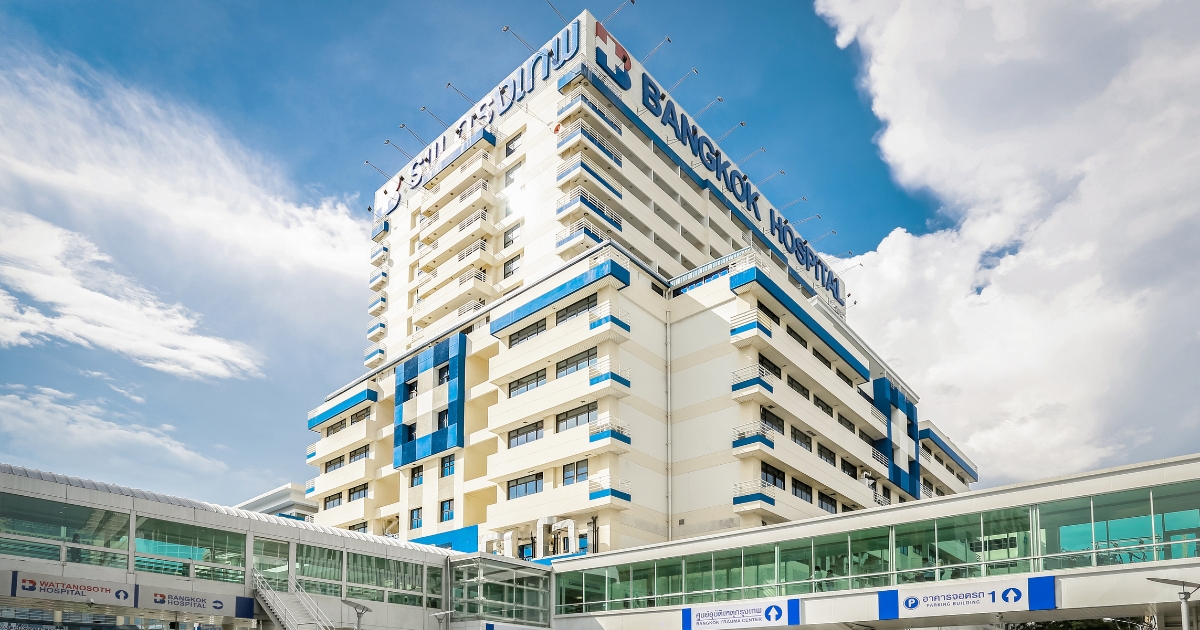
Bangkok Hospital
Bangkok Hospital is one of the strongest signals in the market from a network perspective. Its insurance page says it has direct-billing arrangements, formal or informal, with more than 1,200 worldwide insurers and more than 150 assistance companies and TPAs. That does not guarantee approval for every case, but it shows broad infrastructure.
Samitivej Hospitals
Samitivej publishes an international insurance list and also explains that many international patients use a pay-and-claim process. That makes it a good example of why hospital acceptance and cashless access are not always the same thing.
MedPark Hospital
MedPark emphasizes support through the insurance process from the beginning of treatment to the end. Its partnered-insurance page is clearly built around international patients who need administrative guidance as much as medical care.
Vejthani International Hospital
Vejthani states that it partners with leading insurance providers worldwide and provides guidance on accepted providers, coverage options, and self-pay if needed. That makes it especially relevant for expats comparing private hospitals in Thailand for foreigners.
Wattana Hospital
Wattana is notable because it explicitly says expatriates with international insurance can receive coverage there and that it provides direct claim service for hospitalization, plus coordination with medical assistance for evacuation and repatriation.
Direct Billing vs Pay-and-Claim
For most expats, this is the practical difference that matters most.
With direct billing, the hospital coordinates with the insurer and seeks payment directly, subject to your benefits and approval terms. With pay-and-claim, you settle the bill yourself and then submit the paperwork for reimbursement. Bumrungrad states that if an insurer does not allow direct billing, patients usually need to pay first and be reimbursed later. Samitivej similarly notes that the majority of its international patients use the pay-and-claim model.
This is also why outpatient visits can create more surprises than inpatient admissions. Inpatient treatment is more likely to involve prior review and formal approval, while outpatient claims often fall into faster, smaller, or less standardized workflows. If you are specifically looking for direct billing hospitals in Thailand, it is worth checking whether your insurer supports cashless treatment for both inpatient and outpatient care, not just one.
How to Verify Coverage Before Treatment
The safest workflow is to verify both sides before you go.
Ask the hospital:
- Do you have direct billing with my insurer or assistance company?
- Is that available for outpatient, inpatient, or both?
- Do you need pre-authorization or a Guarantee of Payment?
- Will I need a deposit while approval is being processed?
Ask the insurer:
- Is this exact hospital and branch in-network?
- Is my treatment covered under my policy?
- Are there deductibles, co-pays, waiting periods, or exclusions?
- Will emergency evacuation or specialist referrals be covered if needed?
This sounds simple, but it is where many denied or delayed claims start. The hospital may be willing to work with your insurer, but your policy rules may still block direct billing. That is why experienced expats and brokers focus on verification, not assumptions.
Best Cities for Expats Who Want Easier Hospital Access
Bangkok is still the strongest base for expats who want broad hospital choice and mature insurance handling. This is not because smaller cities lack quality care. It is because Bangkok concentrates more of the hospitals that actively publish international insurance processes and patient-support services.
Regional cities can still work well, especially where hospitals have explicit expat-facing services. Wattana, for example, highlights international insurance coverage and direct-claim hospitalization support in Udon Thani and Nong Khai. So the smarter question is not just “Which insurer is best?” but “Which insurer works best where I will actually live?”
Why a Broker Still Helps
A good Thai insurance broker does more than compare plan prices. They help match your likely hospitals to insurers that already have workable billing relationships in those hospitals. That matters because a plan can look strong on paper yet still be inconvenient in practice if it relies heavily on reimbursement, weak assistance support, or a limited local network.
For expats, that is often the real value of advice. It is not just buying a policy. It is choosing a plan that actually fits your location, your preferred hospitals, and the kind of claims experience you want when something goes wrong.
Conclusion
Many of Thailand’s leading private hospitals do work with international insurance, especially in Bangkok and other expat-friendly areas. But the safest way to think about international insurance in Thai hospitals is not in terms of simple acceptance. It is about whether your exact plan allows direct billing, pre-authorization, and the type of treatment you need at the hospital you prefer. That is where the real difference lies. For most expats, the smartest move is to choose insurance based on hospital usability, not just brand familiarity or premium cost. A plan that works smoothly where you actually want treatment is usually the better long-term choice.
FAQs
Do all Thai private hospitals accept international insurance?
No. Many major private hospitals do, but the billing method and insurer compatibility vary by hospital and by policy.
Does accepted insurance mean I will not pay upfront?
Not always. You may still need pre-authorization, a deposit, or reimbursement, depending on your policy and treatment type.
Which hospitals in Bangkok are most international-insurance friendly?
Bumrungrad, Bangkok Hospital, Samitivej, MedPark, and Vejthani are among the most visible options based on their published international insurance support pages.
Is inpatient coverage easier to arrange than outpatient coverage?
Usually, yes. Hospital guidance indicates that billing and approval handling often differs between inpatient and outpatient care.
What should I confirm before going to a hospital in Thailand?
Confirm the hospital branch, your insurer relationship, whether direct billing is available, whether pre-authorization is required, and whether your policy includes exclusions or co-pays.
