




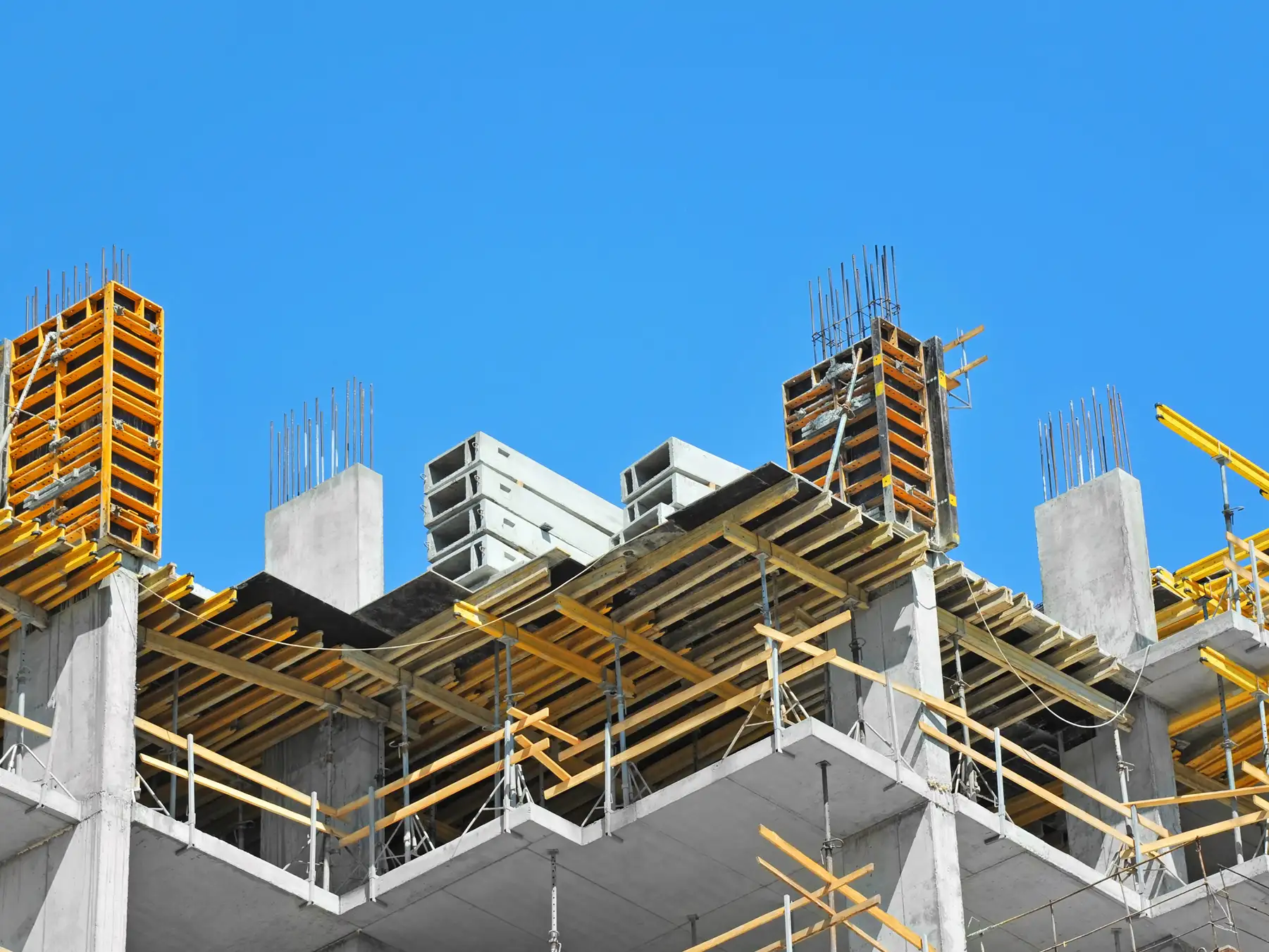
Why Thai Engineers and Developers Need Broker-Supported CAR Construction Insurance
In Thailand’s fast-growing construction market, unexpected risks such as weather damage, theft, on-site accidents, and third-party liabilities can quickly derail budgets and timelines. For engineers and developers, merely completing structural designs is not enough. Projects need comprehensive risk protection through Contractor All Risk insurance that safeguards physical works, materials, and legal obligations from start to handover. But simply buying a policy rarely guarantees peace of mind.
That is where broker-supported construction insurance becomes a strategic advantage. Experienced insurance brokers bring technical expertise, customizable coverage plans, and claims support tailored to complex engineering projects, turning basic construction insurance into long-term financial resilience.
What Is CAR Construction Insurance?
Contractor All Risk insurance, commonly referred to as construction all risk, is designed to protect ongoing construction works and associated liabilities throughout the entire project lifecycle. Instead of covering isolated risks, CAR insurance provides broad protection for physical damage to works, materials, equipment, and temporary structures, as well as legal responsibilities arising from site operations.
For engineering projects in Thailand, CAR insurance is often a contractual requirement in bids, financing agreements, and building permits. While not always mandated by law, most commercial developments, infrastructure projects, and high-value builds require proof of adequate CAR coverage before work can commence. This makes CAR insurance a practical necessity rather than an optional safeguard.
Why Brokers Matter in Thai Construction Insurance
Many engineers and developers underestimate the complexity hidden inside insurance policy wording. Insurance brokers play a strategic role that goes far beyond issuing policies or comparing premiums. They act as risk advisors who represent your interests, not the insurance company’s.
A broker begins by assessing project-specific risks such as site location, surrounding structures, environmental exposure, construction methods, and subcontractor involvement. These variables directly affect coverage limits, exclusions, and premium pricing. Brokers then compare multiple insurers to find policies that align with real-world construction risks, rather than generic templates.
More importantly, brokers customize coverage. They structure policies to include relevant add-ons such as materials in transit, temporary works, or extended liability. In Thailand’s environment, where seasonal monsoons, urban congestion, and regulatory complexity are common, this customization is often what separates effective protection from false security.
When claims arise, brokers also manage communication, documentation, and negotiation. This significantly improves settlement speed and payout outcomes, allowing project teams to focus on recovery rather than paperwork and disputes.
Core Coverage Areas Explained
CAR insurance primarily protects against physical damage to construction works. This includes losses caused by fire, storms, floods, theft, vandalism, and accidental impacts. For example, if heavy rainfall damages scaffolding or unfinished structural components, CAR insurance covers repair or replacement costs, preventing budget overruns.
Machinery, materials, and equipment protection is another critical component. Construction relies on expensive assets such as cranes, generators, and prefabricated materials. Damage or loss of these items can halt progress and disrupt schedules. Policies that include materials in transit ensure protection even before equipment reaches the site.
Third-party liability coverage is especially important in urban projects. Construction near public roads, residential areas, or commercial zones increases the risk of injury or property damage to third parties. If falling debris injures a pedestrian or damages a neighboring building, CAR liability coverage handles legal fees, compensation, and settlement costs.
Key Policy Add-Ons and Extensions
While standard CAR insurance provides strong baseline protection, most engineering projects require tailored enhancements. One of the most valuable extensions is Delay in Completion or Advance Loss of Profit coverage. This compensates developers for financial losses caused by insured events that delay project completion.
Debris removal is another practical extension. After major damage, clearing wreckage and unstable structures can cost millions. This extension ensures cleanup costs are covered, preventing additional financial strain.
Temporary works coverage protects non-permanent structures such as formwork, scaffolding, and temporary offices. These elements are often excluded in basic policies despite being essential to construction operations. Brokers typically recommend including them to avoid coverage gaps.
These extensions transform CAR insurance into a project-specific risk management system rather than a generic safety net.
Common Exclusions and How Brokers Help You Navigate Them
Despite its broad scope, CAR insurance includes exclusions that can catch engineers off guard. Common exclusions include normal wear and tear, faulty design, poor workmanship, and predictable mechanical failure. Certain catastrophic risks such as war, terrorism, or nuclear events are also excluded.
Misunderstanding these exclusions can lead to denied claims at the worst possible time. Brokers help interpret policy language, explain grey areas, and recommend additional coverage to close critical gaps. This proactive guidance often prevents disputes and ensures smoother claims processing.
How Engineers and Developers Can Choose the Right Broker
Selecting the right broker is as important as choosing the right insurance policy. Engineers should prioritize brokers with strong knowledge of Thai construction regulations, experience handling complex claims, and access to multiple insurers.
Good brokers provide ongoing advisory support, not just one-time transactions. They review coverage as projects evolve, adjust limits when contract values change, and assist with renewals or policy extensions.
Asking for real case studies and references is one of the most reliable ways to assess broker competence. A broker with a proven track record in construction risk management becomes a long-term strategic partner, not just a service provider.
Conclusion
For Thai engineers and developers, broker-supported CAR construction insurance is not merely another line item in the project budget. It is a strategic safeguard that protects years of planning, capital investment, and professional credibility. Thailand’s construction environment is inherently risky, with frequent weather disruptions, regulatory complexities, and dense urban developments. Without comprehensive CAR coverage, even minor incidents can escalate into financial crises.
FAQs
Is CAR insurance legally required in Thailand?
Not always by law, but most commercial contracts and lenders require it before approving construction projects.
Can CAR insurance cover project delays?
Yes, if extensions such as Delay in Completion or Advance Loss of Profit are included in the policy.
Does CAR insurance include third-party liability?
Yes, it typically covers injury or property damage caused to third parties by construction activities.
